Activation vs. Aliveness
Why Intensity Isn't Always a Sign You're Living Fully
This article is adapted from my Substack essay, Activation vs. Aliveness, where I explore understanding nervous system patterns. 
Discernment around what makes you feel fully alive.
There are moments in life that feel electric.
The rush of a new relationship. The tension before competition. The urgency of conflict. The pull toward something just out of reach.
Because these experiences are so intense, we often assume they're signs that we're fully alive.
But intensity alone isn't proof of aliveness.
One of the most important distinctions I've learned through years of studying relationships, sport, and the nervous system is this:
Not all intensity is aliveness. Some of it is activation.
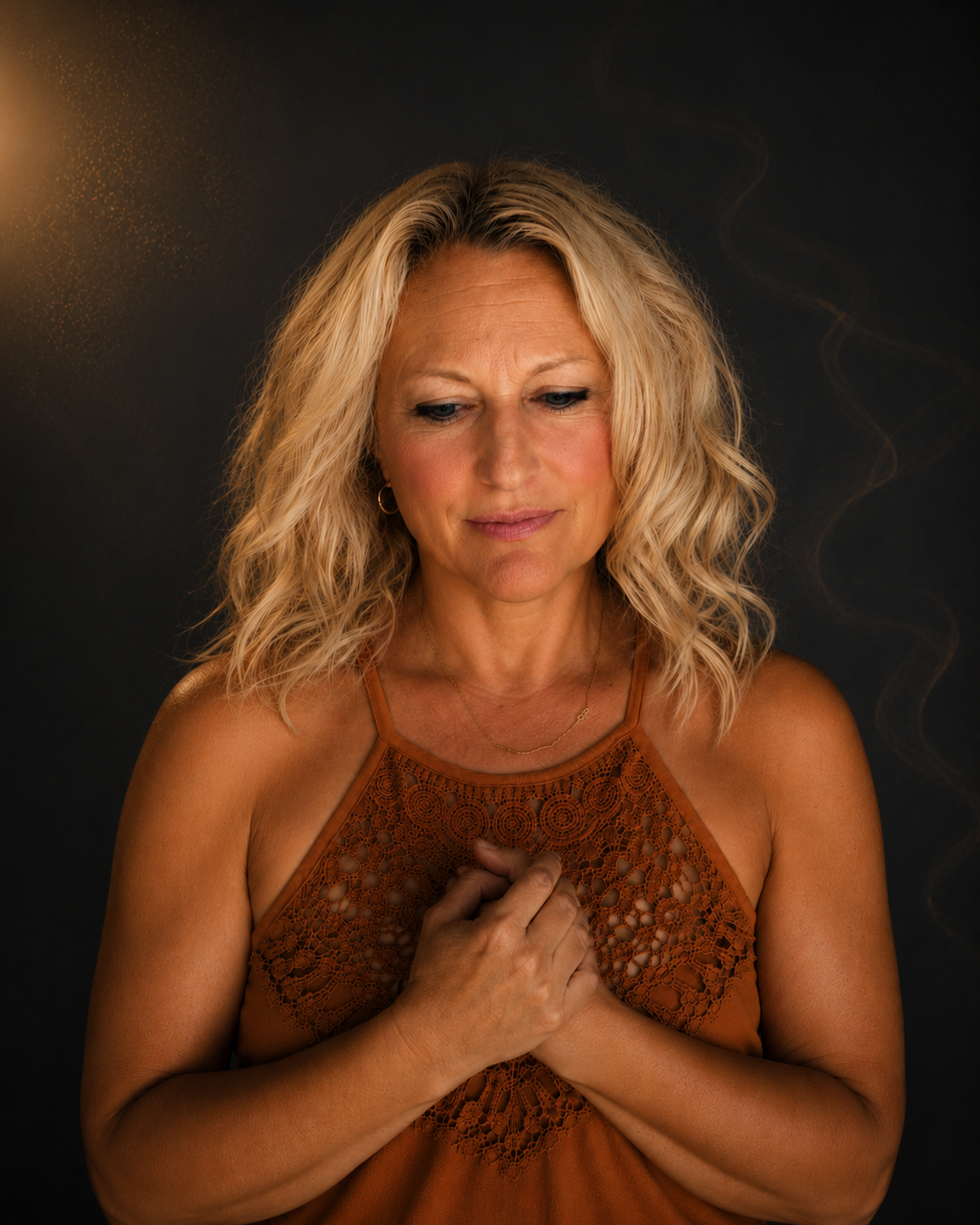
Devotionally Holding The Space
Learning to tell the difference changes the way we experience love, conflict, performance, and even ourselves.
What is Nervous System Activation?
Activation is your nervous system preparing for survival.
Your body becomes faster.
Attention narrows.
Breathing changes.
Your mind searches for something to fix, solve, control, or escape.
This isn't a flaw.
It's an intelligent biological response.
The problem begins when we mistake activation for passion, chemistry, intuition, or truth.
What Does Genuine Aliveness Feel Like?
Aliveness can also be intense.
But it has a different quality.
Instead of contraction, there's expansion.
Instead of urgency, there's presence.
Instead of being consumed by the experience, you remain connected to yourself while fully participating in it.
Aliveness doesn't remove intensity.
It changes your relationship to it.
Why We Confuse the Two
Many of us learned to associate emotional charge with meaning.
The more intense something feels, the more significant we assume it must be.
This shows up everywhere.
In relationships, we mistake instability for chemistry.
In conflict, we mistake reactivity for honesty.
In performance, we mistake pressure for purpose.
Without realizing it, we begin organizing our lives around nervous system activation instead of genuine vitality.

Expansion and Possibility
Three Questions to Ask Yourself
The next time you experience strong emotion, pause for a moment.
Ask yourself:
What is happening in my body right now?
Am I expanding or contracting?
Is there space here, or only urgency?
These simple questions begin building something more valuable than emotional control.
They develop discernment.
Why This Distinction Matters
My work isn't about eliminating intensity.
Quite the opposite.
I believe intensity is one of life's greatest gifts.
But intensity becomes transformational only when we develop the capacity to remain present within it.
The goal isn't to feel less.
The goal is to recognize the difference between activation and aliveness so we can cultivate more of what truly brings us to life.
If you've spent years chasing intensity, this distinction may change the way you experience relationships, work, competition, and everyday life.
The question is no longer:
"How do I avoid intensity?"
It's:
"What kind of intensity am I experiencing?"
Because one will slowly pull you away from yourself.
The other will bring you more deeply home.
Continue Reading
This article is part of Field Notes: Observations from the Places Where Love Is Practiced, an ongoing exploration of presence, relationships, and the capacity to remain connected under pressure.
Read next:
Intensity Isn’t The Problem → Why capacity, not intensity, shapes our relationships.
State Determines Everything → Why we don't rise to our intentions. We fall to the state we're in.
Coming Soon:Stay → Why remaining with discomfort is one of the most transformative skills we can develop.
